Free Ways To See The Corolla Wild Horses
Yes, you can see the Corolla wild horses without buying anything. The herd roams 7,544 acres of mixed private and public land, and several genuinely free or nearly free options exist, from roadside viewing to the Fund's museum and the seasonal Mustang Mornings program.
Short answer
You can look for Corolla wild horses for free from public roads and the public beach in the 4x4 area, visit the Corolla Wild Horse Fund museum in Corolla village, and attend a Mustang Mornings open house at the Grandy farm with a suggested $10 per vehicle donation. No tour purchase is required, though a guided 4WD truck tour from $65 reaches areas walkers cannot.
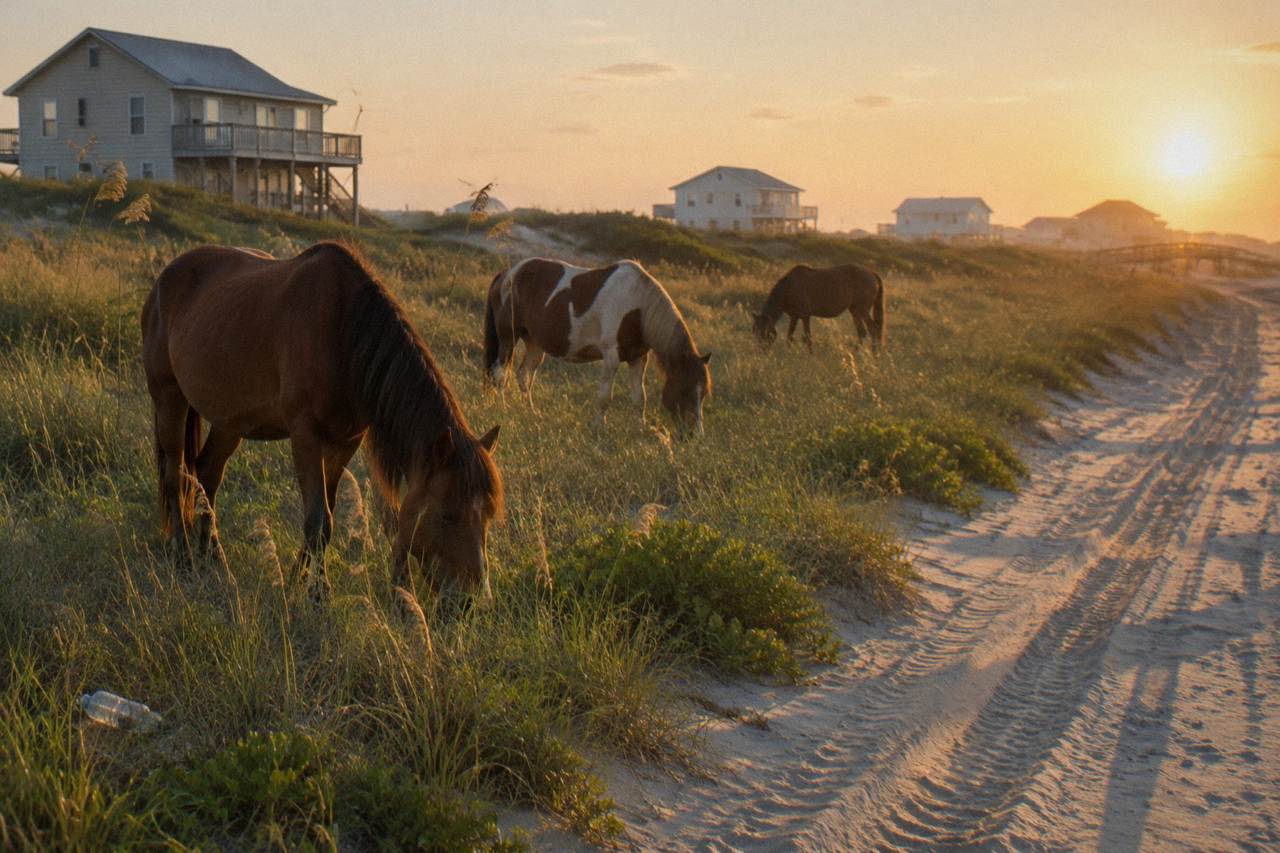
Wild horses have lived on the northern Currituck Outer Banks for centuries, and unlike a zoo or a theme park, nobody sells a gate ticket to the land they live on. The herd roams 7,544 acres of barrier island habitat, a mix the Corolla Wild Horse Fund describes as roughly 70 percent private and 30 percent public use, threaded with around 700 houses, sandy lanes and an open beach that the Fund's history page calls public road. That geometry is what makes free viewing possible at all, and it is also what makes it harder than most visitors expect. A horse standing in a yard half a mile down a soft sand lane is free to look at and impossible to reach without four-wheel drive. Before you head up the beach, it helps to know roughly how many animals are out there, and our guide to how the Corolla herd is counted by aerial survey explains why no fixed number exists.
This guide walks through every genuinely free or nearly free way to see the horses, with the rules that keep each one lawful, and then explains when the 2-hour open-air 4WD truck tour earns its from-$65 price anyway. The short version: free viewing works best for visitors with patience, a 4WD vehicle of their own, or the luck of a horse grazing near a paved-road vantage. Everyone else tends to end up wishing they had booked the guided Corolla horse tour after a day of empty roadside scanning. For the full no-spend philosophy, the companion piece on seeing the horses without a tour covers the mindset in depth.
How To See Corolla Wild Horses For Free?
The realistic free options are four: scanning from public roads around Corolla village, walking or self-driving the public beach in the 4x4 area north of the paved road, visiting the Corolla Wild Horse Fund's free-to-browse museum and gift shop in Corolla village, and attending a Mustang Mornings open house at the Fund's Grandy farm, which asks a suggested $10 donation per vehicle. None involves a tour purchase, and each carries its own rules and its own odds.
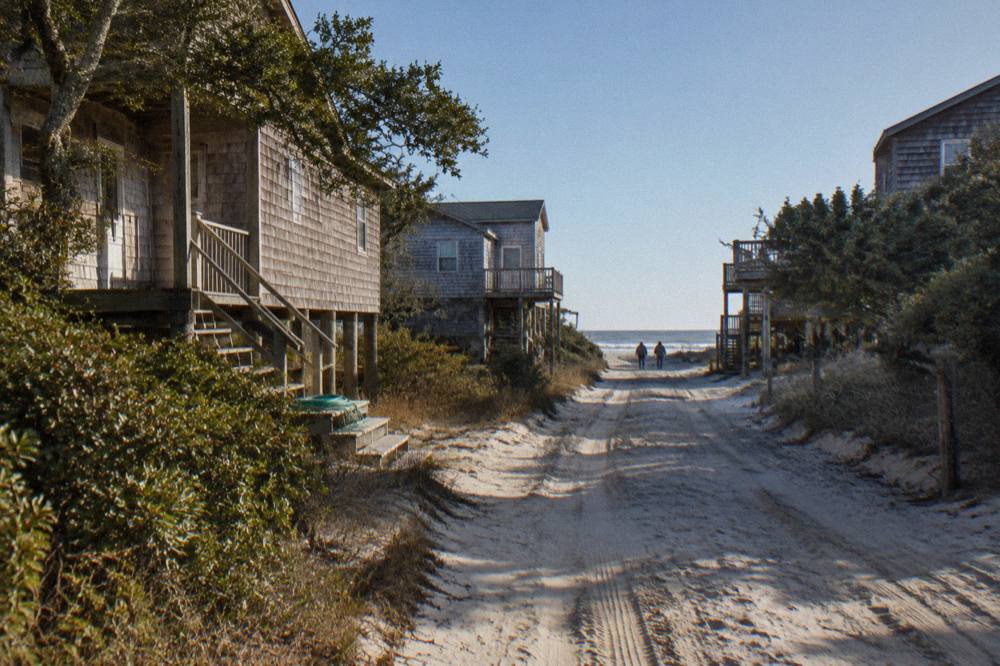
The first thing to understand is where the horses actually are. The paved road, NC-12, ends in Corolla, and everything north of that terminus to the Virginia state line, about eleven miles of it, is the area locals call the 4x4 beaches: Carova, North Swan Beach and Swan Beach. The beach itself is considered public road and open to the public, and the Fund notes it is the only access for residents and guests staying up there. The horses move across all of it, plus the developed parts of Corolla south of the fence line, which is why a free viewer standing in the right spot at the right hour can succeed without spending a dollar. If you want to understand how the four-wheel-drive beaches work for day visitors, the guide to public beach access and the wild horse rules in Corolla covers everything from driving on the sand to keeping a legal distance from the horses.
What free viewing does not give you is reach or certainty. The Fund manages the herd across that whole acreage, and the animals shift with insects, heat, wind and tides, exactly as seasonal reporting on the herd describes. A walker on the beach covers perhaps two or three miles round trip. A licensed tour truck in the same two hours covers twenty or more, with a guide who tracks the horses daily. Free and effective are not the same thing here, and an honest guide has to say so.
Can You Spot Wild Horses From Public Roads In Corolla?
Yes, horses frequently appear along the paved roads and residential lanes around Corolla village, and viewing from a public road or a safe roadside pull-off is free and lawful. What is not lawful is approaching: Currituck County's wild horse ordinance makes coming within 50 feet of a wild horse, or luring one closer, punishable by law. The rule applies to everyone, regardless of experience with horses.
Roadside viewing is the classic free method, and it works because the horses do not respect property lines. They graze in yards, cross sand lanes and sometimes stand close enough to NC-12 that traffic slows. The Fund's FAQ is blunt about the responsibility this creates: if horses approach you on the beach or road, it is your job to stay at least 50 feet away, not theirs to retreat. Feeding, petting or riding a wild horse is separately unlawful under the same county ordinance, and the Fund asks that dangerous behavior be reported to Currituck County dispatch at 252-453-3633.
The practical playbook is patience plus timing. Early morning and the hours around dusk are when horses move between grazing areas and water, and the seasonal pattern reported in 2026 was consistent: biting flies in spring and heat later in the summer pushed the animals out of secluded cover and into the open, including the beach near the southern barrier fence. Visitors who drove the village loops slowly in those windows did far better than midday scanners. Our guide to the best time of day to see the horses breaks the clock down hour by hour.
| Free viewing method | Where | What it costs | Main limitation |
|---|---|---|---|
| Roadside scanning | Paved roads and lanes around Corolla village | $0 | Luck-dependent; horses may be miles north |
| Walking the public beach | North of the NC-12 terminus | $0 | Soft sand, long distances, no facilities |
| Self-driving the 4x4 beach | Beach ramp at the road's end | Fuel and a 4WD vehicle | Requires real four-wheel drive |
| Fund museum and gift shop | 1130E Corolla Village Road | No price stated on the Fund's page | Horses not guaranteed nearby |
| Mustang Mornings | Fund farm in Grandy | Suggested $10 per vehicle | Seasonal Wednesdays only |
One caution that belongs in every free-viewing article: the county's tour rules exist because vehicles and horses share the same sand, and Currituck County's horse tour page states that tour vehicles must stay at least 50 feet from the wild horses, operate west of the dune line only between 8 a.m. and 8 p.m., and never use amplified sound. Private drivers are held to the same 50-foot distance. A free view from your own car window is completely legal; a free view from three car-lengths away while you stand next to a foal is not.
That is the honest trade the county has set up. Anyone can look, nobody can approach, and the paid tours exist partly because licensed operators are the ones permitted to move groups through the horses' range at scale while obeying those distances. If roadside luck runs out, the structured option is the 2-hour Outer Banks wild horse tour by 4WD truck, rated 4.8 across 2,871 reviews.
Can You Walk The 4x4 Beach Without Paying Anything?
Yes, the beach north of the paved end of NC-12 is public road and open to the public on foot at no charge, and no official county or federal source lists a visitor beach-driving permit or fee. The catch is access: the US Fish and Wildlife Service states that past the road's terminus traffic diverts to the beach and four-wheel drive is required, so walkers must park legally near Corolla and enter on foot.
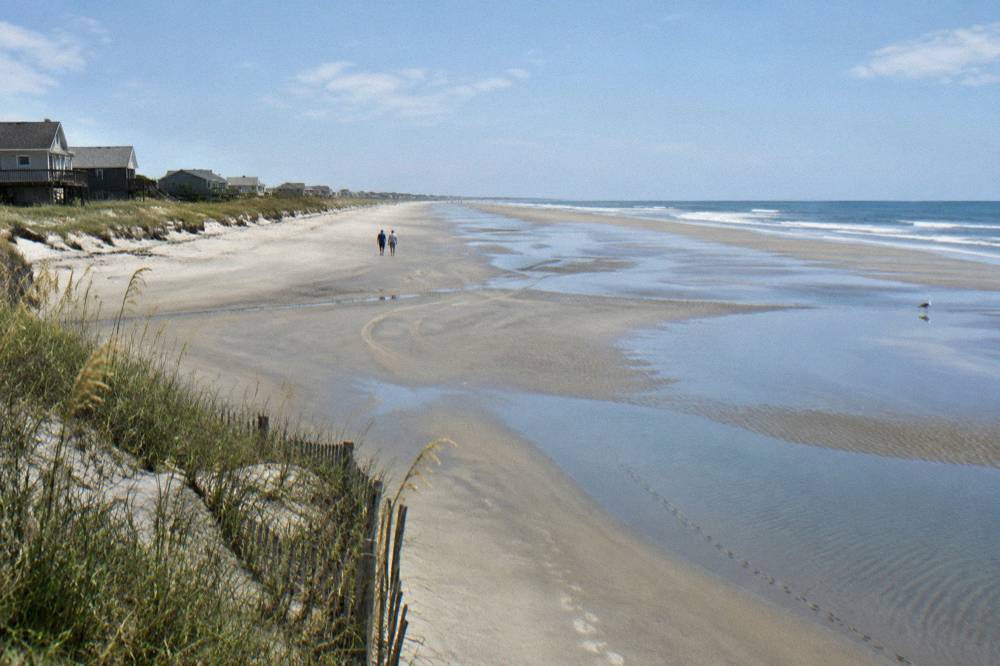
The walking route is simple to describe and demanding to do. Park in Corolla village, walk north up the beach, and keep the ocean on one side and the dune line on the other. Horses graze the dune swales, stand in the ocean breeze to escape insects and travel the hard sand at the waterline. On a good day a walker encounters them within the first mile. On a bad day the herd is four miles north, behind the houses, and the round trip becomes a serious hike with no shade, no water and no restrooms, since the wildlife refuge bordering the area explicitly has no developed facilities.
Distance is the whole game. The same two hours a walker spends covering two miles of loose sand, an open-air tour truck spends covering most of the horses' range with a guide who knows where the bands were that morning. That is the honest case for the paid Corolla horse tour, but it does not make walking a bad plan. It makes walking a plan with a known cost in effort instead of dollars.
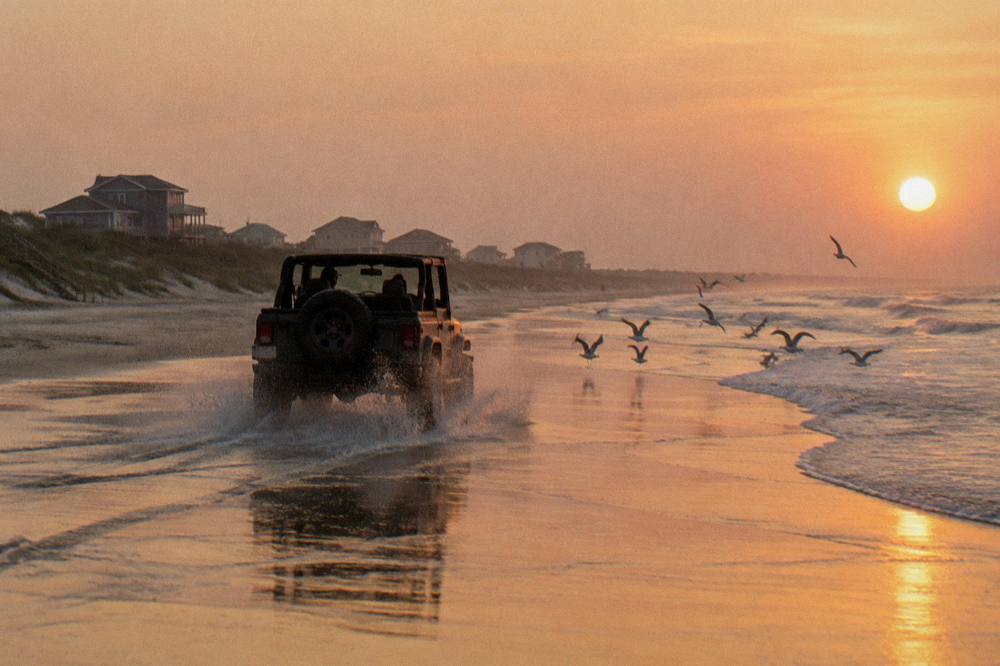
For visitors who want the middle path, driving the beach in their own 4WD vehicle, the rules are few and firm. County guidance asks drivers to engage four-wheel drive when entering the ramp and to maintain a slow, steady speed, and to not attempt the beach at all without it. The refuge's visitor page confirms the physics: access beyond the road's end is by 4WD vehicle or boat only, and vehicle traffic is restricted to the beachfront. Our comparison of driving the beach yourself versus a guided tour works through the recovery-risk side, including what a stuck rental costs in time and tow fees.
Is The Corolla Wild Horse Fund Museum Free To Visit?
The Corolla Wild Horse Fund's museum and gift shop at 1130E Corolla Village Road in Corolla lists no admission price, so check with the Fund directly before your visit. Hours are seasonal, running Tuesday through Saturday, 10 a.m. to 4 p.m., closed Sunday and Monday, and the phone number is 252-453-8002.
The museum is the most reliable free-adjacent stop in Corolla because it does not depend on where the herd woke up. Exhibits cover the history the Fund has documented since its 1989 organizing, the move of the horses north of the paved road after eleven were killed on Highway 12 between 1985 and 1989, and the management work that continues today, including identification of horses by color, markings and home territory rather than branding. In June 2010 the General Assembly named the Colonial Spanish Mustang the Official Horse of the State of North Carolina, and the museum is where that story is told in full.
It is also the Fund's storefront, and the Fund is the nonprofit that actually manages and protects the herd. Buying a shirt or making a donation is the closest thing free viewers have to paying their share of the conservation their visit depends on. The Fund's own pages note that hay cost and availability are an ever-increasing challenge, which is why its seasonal donation drives matter.
A practical pairing: the museum sits in Corolla village, minutes from the Currituck Beach Lighthouse and the Whalehead estate, which makes it the anchor of a full free or low-cost day. Our lighthouse and Whalehead pairing guide lays out the walkable loop. And if the museum visit whets your appetite for the animals themselves, the 2-hour guided 4WD truck tour departs from a meeting point on Ocean Trail, a few minutes' drive north.
What Is Mustang Mornings And What Does It Cost?
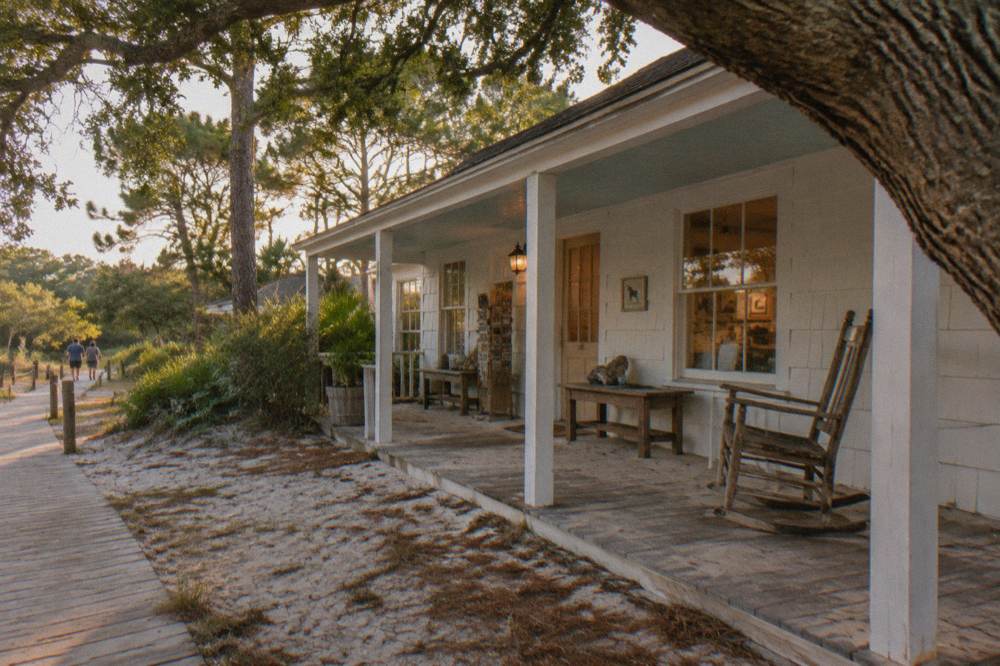
Mustang Mornings is the Corolla Wild Horse Fund's summer open-house program at its rescue farm in Grandy, on the mainland. In 2026 it ran on Wednesdays from May 27 to August 26, 9 a.m. to 1 p.m., with a suggested donation of $10 per vehicle at the gate, and included a free screening of a 32-minute documentary about the herd.
This is the best value in the entire Corolla horse economy, and almost nobody plans for it, because it happens twenty minutes inland rather than on the beach. The Betsy Dowdy Equine Center in Grandy is where the Fund keeps rescued horses, and on those Wednesdays the public can meet the animals, talk with staff and watch The Secret of Corolla with a question-and-answer session. Because the resident horses are rescues under the Fund's care rather than wild animals, the strict 50-foot distance rule that governs the barrier island herd does not apply the same way, which makes the program the only setting where visitors get close to a Corolla mustang legally and ethically. If you would rather spot the wild herd itself on your own terms, our guide to seeing the Corolla wild horses without a paid tour explains exactly where to look and what the distance rule allows.
The farm is otherwise closed to visitors outside scheduled events, and the program is seasonal: in 2026 it wrapped in late August, with the next scheduled public opening the Fall Open House on November 7. Anyone hoping to catch the next season should check the Fund's Mustang Mornings page and its calendar before planning a trip around it. The suggested $10 per vehicle is exactly that, suggested, though the Fund's feed and care costs are real and the donation buys a lot of goodwill.
What Does The Currituck National Wildlife Refuge Allow?
The Currituck National Wildlife Refuge, spanning six units of maritime forest and brackish marsh north of Corolla, is open daily from sunrise to sunset year-round, charges no entry fee stated on its pages, and can be reached by parking on the beach and walking in. On the refuge it is unlawful to harm, approach, feed or kill any wild horse, and the refuge itself describes the horses as occasionally seen and viewable only from a distance.
The refuge is the quiet footnote in most Corolla trip plans, and it is genuinely free. The US Fish and Wildlife Service describes its first tract as roughly three-quarters of a mile north of the paved road's end, with no roads, trails, restrooms or visitor contact station beyond the beach itself. Visitors park on the sand and walk in. Pets must stay leashed, baiting or feeding wildlife including the wild horses is prohibited, and all commercial activity is banned, which is why the paid tours operate on the county-regulated beach rather than inside refuge boundaries.
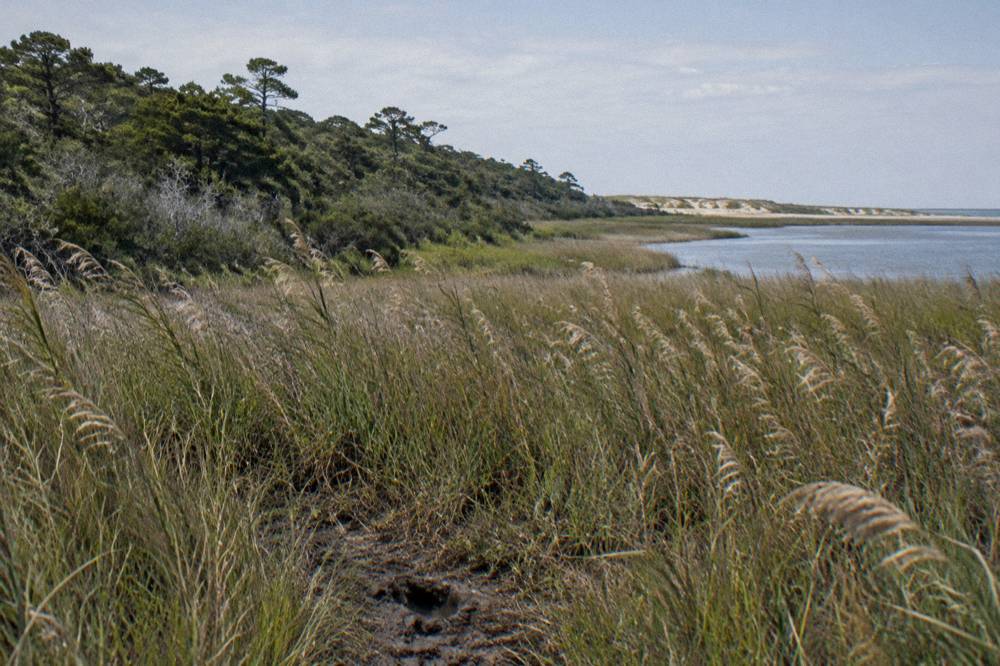
Expectations matter here. The refuge's own language is measured: the horses are occasional, not scheduled, and the habitat that makes the refuge valuable, dense forest and remote marsh, makes sightings less likely, not more. A free refuge walk rewards birders and solitude seekers more reliably than horse seekers. Combine it with a beach walk north from the NC-12 terminus and you cover the same ground a tour truck does, at walking pace, for free.
There is one more free-viewing behavior worth naming because it is the one the Fund warns about most. Getting too close stresses the animals and can separate foals from their mothers, and the Fund's educational update on horses approaching people put it plainly: foals are extremely impressionable, and in their first months they must not become too accustomed to humans. Free viewing only stays free, and legal, when the distance holds.
When Does A Paid Corolla Horse Tour Earn Its Price?
The 2-hour Outer Banks Wild Horse Tour by 4WD Truck, from $65 per person and rated 4.8 across 2,871 reviews, earns its price when you have no 4WD vehicle, limited time, kids in tow, or a hard schedule such as a departure day. It covers in two hours ground a walker cannot cover in a day, with a guide who tracks the herd, while keeping the group at lawful distance.
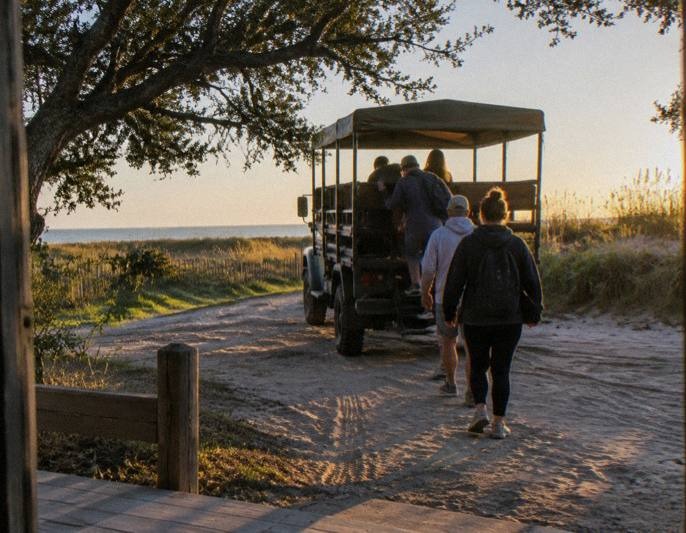
The 2-hour 4WD truck tour above is the one paid option for seeing the horses. Free viewing works, people do it every day, and nothing in the county's rules says a purchase is required to look at a wild horse. The value of the guided Corolla horse tour is not permission, it is reach, local knowledge and time. The listing describes an open-air 4-wheel drive truck, no ATVs, a maximum of 12 travelers, a professional horse guide, and a meeting point at 1148 Ocean Trail in Corolla. Food, drinks and hotel pickup are not included, kids under five or under 40 pounds cannot be accommodated, and moderate physical fitness is recommended since the ride is off-road.
The comparison that matters is per-hour cost against per-mile covered. A free day of roadside scanning that ends with zero horses cost nothing and delivered nothing. A from-$65 seat that finds three bands within forty minutes delivered the entire reason you drove to Corolla. For travelers on a short Outer Banks itinerary, that arithmetic is decisive, and our three-day Outer Banks itinerary with a horse tour slots the ride exactly where it pays off best.
For families there is an additional angle: the guided truck is the simplest lawful way for children to see the horses, because the guide manages distances and the group never has to guess. Our guide to Corolla horse tours with kids covers ages, weight limits and what to pack. And for visitors who drive in from Duck, the comparison of Duck versus Corolla for a horse trip explains why the extra twenty minutes north changes the odds completely.
| Question to ask yourself | Answer that favors free viewing | Answer that favors the paid tour |
|---|---|---|
| Do you have a 4WD vehicle? | Yes, and off-road driving experience | No, or a rental contract that bans beach use |
| How much time do you have? | A full day or several days | One morning or one trip day |
| Tolerance for uncertainty? | High, the search is part of the fun | Low, the horses are the point |
| Traveling with children under five? | Not applicable, or kids over five and 40 pounds | Kids under five cannot ride; plan free viewing or the museum |
| Budget? | Near zero | $65 and up per person |
Free or paid, the same etiquette applies everywhere in this guide. Stay at least 50 feet from the horses, never feed, pet or lure them, give tour trucks room to work, and report injured animals to the Fund at 252-453-8002. Currituck County's ordinance covers everyone on foot, in a truck or at a window. Our full primer on the 50-foot rule and horse etiquette is the reference to keep on your phone.
The simplest plan: start with the free options. Drive the village loops at dawn, walk the beach if your legs are willing, and put the museum on the list for a hot afternoon. If the herd cooperates, you have had one of the best free wildlife experiences on the East Coast. If it does not, Corolla North Carolina Horse Tours is here, and the 2-hour open-air 4WD truck tour is one booking away from fixing the day.
Common Questions About Seeing The Corolla Wild Horses For Free
How to see Corolla wild horses for free?
Watch from public roads around Corolla village, walk the public beach north of the paved end of NC-12, or visit the Corolla Wild Horse Fund museum in Corolla village. The beach up there is public road and open to everyone on foot, and no tour purchase is required to look for the herd.
How to see the wild horses in Corolla for free?
The same free routes apply: roadside scanning at dawn or dusk, walking the 4x4 beach from the NC-12 terminus, the Fund's museum, and the seasonal Mustang Mornings program at the Grandy farm, which asks a suggested $10 donation per vehicle. Timing matters more than money, since the horses move with insects, heat and tides.
Do you need a permit to drive on the beach at Corolla?
No county or federal source lists a visitor beach-driving permit or fee, so plan on none unless told otherwise. What is confirmed is the vehicle requirement: four-wheel drive is required past the terminus of NC-12, and county guidance asks drivers to keep a slow, steady speed and stay off the sand without 4WD.
Is the Corolla Wild Horse Fund museum free?
The Fund lists no admission price on its museum and gift shop page, so cost details should be checked directly. Hours are seasonal, Tuesday through Saturday, 10 a.m. to 4 p.m., closed Sunday and Monday, at 1130E Corolla Village Road in Corolla.
Can you see the horses from the road in Corolla?
Yes, horses regularly graze near paved roads and residential lanes around Corolla, and viewing from a public road is free and legal. You must stay at least 50 feet away and never feed, pet or lure a horse, under Currituck County's wild horse ordinance.
Is a paid tour better than free viewing?
A tour is not required, but it changes the odds. The featured 2-hour open-air 4WD truck tour, from $65 per person and rated 4.8 across 2,871 reviews, covers ground a walker cannot, with a guide who tracks the herd daily. Free viewing rewards time and patience; the tour rewards a schedule.