Best Time Of Year To See Wild Horses On The Outer Banks
The month you visit Corolla decides two things at once: which tour vehicles are running, and how visible the wild horses are likely to be. Heat, insects and foaling season all push the herd toward the open beach on a predictable cycle.
Short answer
Late April through June and September through October are the strongest months: temperatures are moderate, biting insects ease off in fall, and the horses move onto the open beach where guided 4WD tours run. The 2-hour open-air 4WD truck tour runs from $65 per person and is rated 4.8 across 2,871 reviews.
The Corolla wild horses do not spread themselves evenly across the calendar. They follow conditions, and conditions on the northern Outer Banks repeat every year: biting flies in spring, heat stress in summer, cooler air and fewer insects in fall. One local observer put it plainly this year: the horses are not multiplying, they are relocating, seasonally and predictably, in response to conditions that repeat every summer. That single sentence is the whole logic of this guide. Since those seasonal movements happen north of the paved road, your base town matters more than you might think, and our comparison of Duck versus Corolla as a home base for seeing the horses covers exactly that.
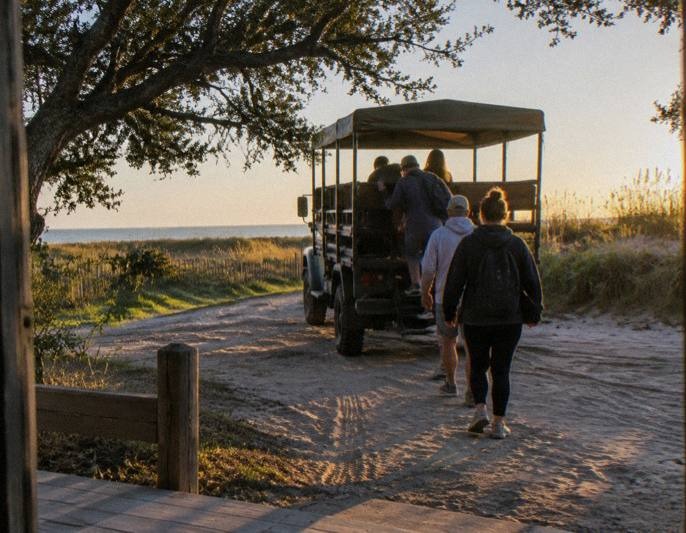
For a visitor, the timing question has two halves. The first is visibility, meaning where the horses stand on any given afternoon. The second is logistics, meaning which tour vehicles are actually operating in the month you arrive. The featured Corolla horse tour, a 2-hour open-air 4WD truck tour rated 4.8 across 2,871 reviews and priced from $65 per person, runs on the sand north of where the paved road ends. Other local operators swap vehicles by season, and one runs an enclosed SUV in the colder months. Get the month right and both halves line up.
What Is The Best Time To See Wild Horses In Corolla?
The strongest windows are late April through June and September through October, when moderate temperatures and shifting insect pressure push the herd out of the maritime forest and onto the open beach. The 2-hour open-air 4WD truck tour operates across those months, from $65 per person, so the season that concentrates the horses on the sand is also the season the safari-style trucks run.
Spring and fall share the same mechanism from opposite directions. In April, biting flies and shifting winds push horses out of secluded areas and onto the beach, a pattern reported again this year when four new foals were spotted roaming free by late April. In summer, heat stress does the same thing the insects did earlier: it forces animals out of cover and into the open, near the water and the breeze. In fall, the insects retreat and the horses keep using the beach while temperatures stay pleasant.
That said, "best" depends on what you want from the day. Summer gives the longest daylight and the fullest tour schedules, at the cost of heat and crowds on the sand. Fall gives the most comfortable riding weather. Winter gives you the enclosed-SUV option and near-empty beaches, with horses spending more time in the sheltered areas behind the dunes. The comparison holds up across operators, and the deeper question of whether the outing justifies its price is covered in are the tours worth the money.
One planning note that matters more than most people expect: the time of day interacts with the season. Cool months concentrate movement midday; hot months push the herd to the waterline early and late. If you have already picked your month, the companion piece on the best time of day for Corolla wild horses finishes the calculation.
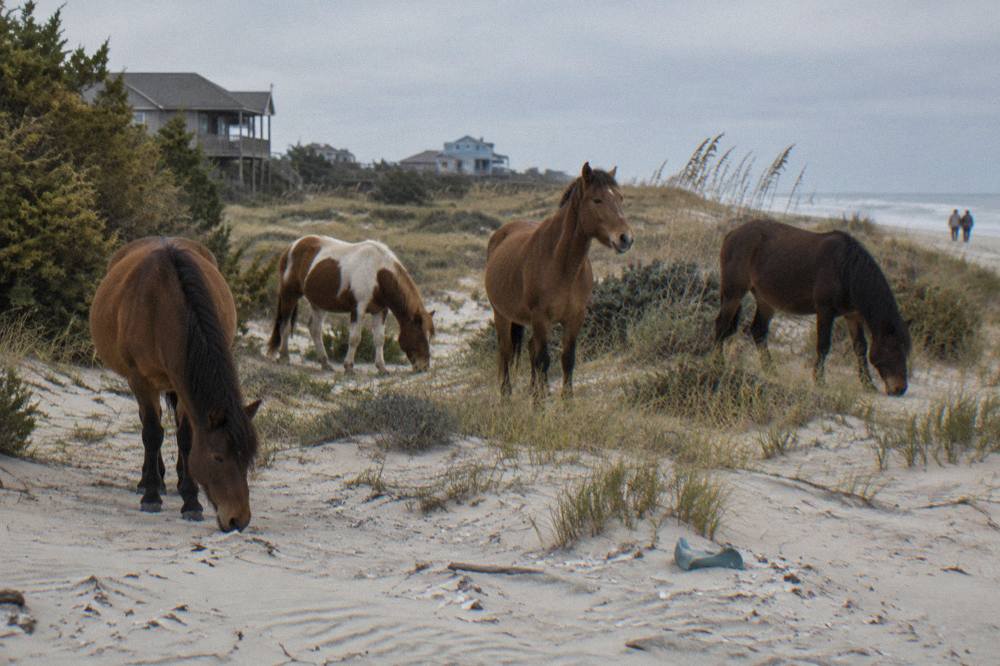
The herd's home range is large enough that no month or hour guarantees anything. The Corolla Wild Horse Fund manages the animals on 7,544 acres of diverse habitat, a mix of private and public land running north from the end of the paved road to the Virginia line, as the Fund's herd management page describes. A guided tour matters precisely because the horses move: the guides drive the range daily and read fresh tracks, which is why nearly all serious sighting success on the Outer Banks comes from the tour trucks rather than from walkers on the village streets.
Why Spring And Fall Are Ideal
Spring and fall sit in the sweet spot where the horses are pushed toward the open beach but the weather has not yet driven people off it. Late April through June brings foals and fly-driven movement to the shoreline; September and October bring cooling air, thinning crowds and horses that still prefer the breeze near the water. Tour trucks run in both windows.
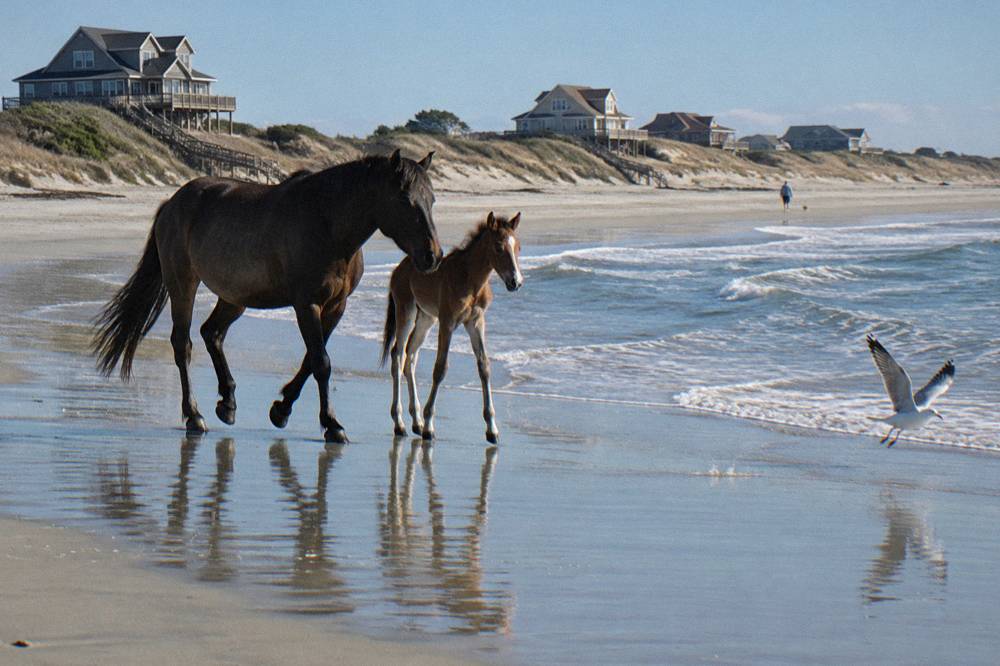
Spring has the single best storyline of the year: foaling season. The 2026 season opened with four healthy foals spotted by late April and closed with at least twelve, seven fillies and five colts. Foals change the way the herd uses the beach. The Fund has noted that mothers and newborns favor certain areas and that getting too close can cause stress and may separate a foal from its mother, which is one reason the 50-foot distance rule exists and one reason a guided vehicle, which is required to keep its distance, is a better viewing platform than a self-driven walk. The Fund's educational update this summer stressed that foals are extremely impressionable in their first months and must not become accustomed to humans.
Fall earns its place with comfort. The water stays warm into October, the biting insects thin out, and the horses keep using the beach because the habit of the summer carries over while the heat stress does not. Tour schedules remain full through the fall on most operator calendars. One Corolla operator's page describes running its open-air trucks from April through November, which brackets both windows neatly.
The featured 2-hour open-air 4WD truck tour fits these shoulder seasons almost perfectly. It runs on the beach in the 4WD area with a maximum of 12 travelers per truck, small enough that everyone gets a side, and it departs from 1148 Ocean Trail in Corolla village. Shoulder-season dates also tend to be the easiest to book a few days out, unlike July and August weekends.
There is a trade-off to name honestly: spring can be windy, and the same wind that pushes horses onto the beach can push sand around an open truck. Fall can lose a day to a passing storm system. Neither is a reason to avoid the season; both are reasons to book a tour with a weather policy you understand rather than a rigid non-refundable slot. The what to wear and bring guide covers the layering and windproofing details.
Summer Heat, Insects And Visibility On The Beach
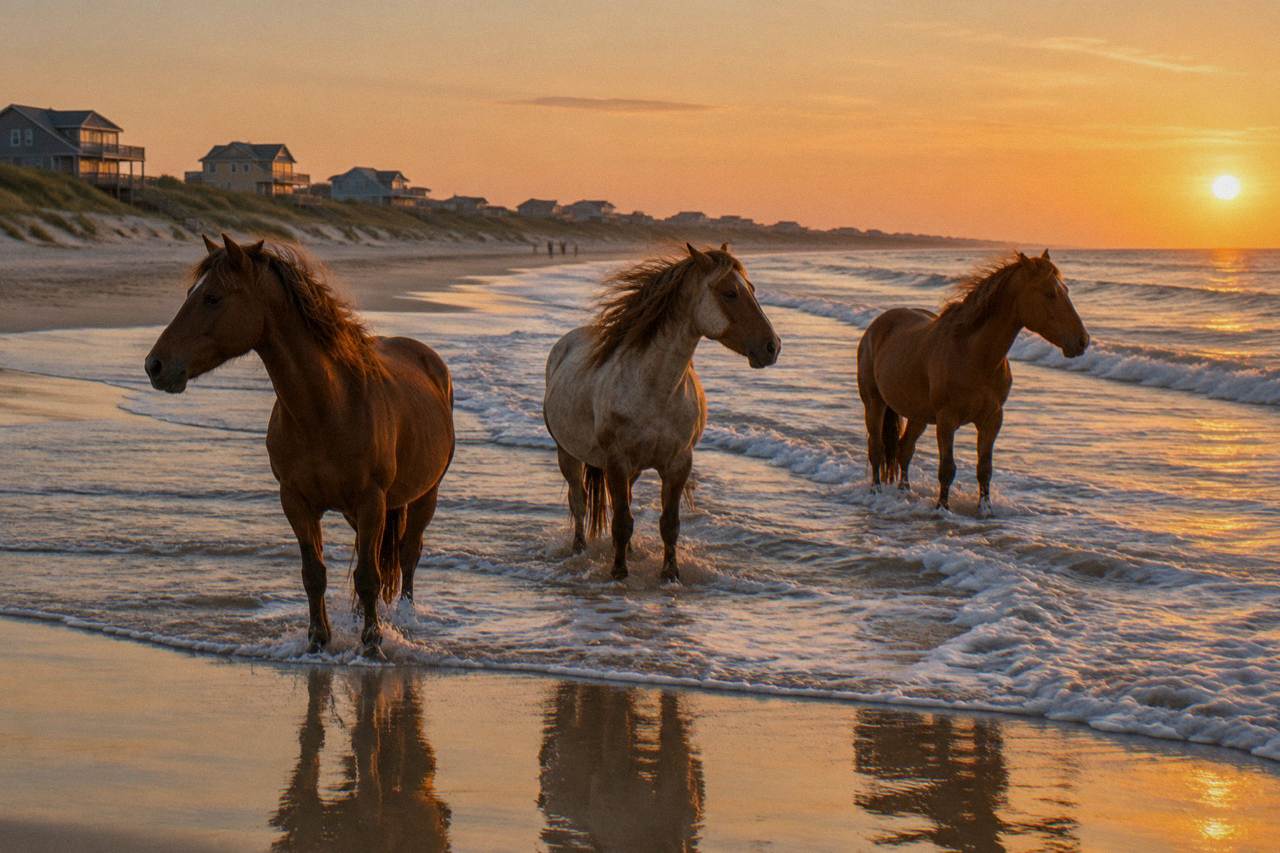
Summer is the paradox season: the horses are often at their most visible precisely because the conditions are at their worst. Biting flies in the cover and heat stress in the afternoons both push the herd onto the open sand and surf, where the breeze offers relief, and the tour trucks run at their fullest schedules to meet the crowds.
The mechanism is worth understanding because it explains sightings that surprise people. The horses are not coming to the beach for the tourists. They come for the wind, which keeps the flies off, and for the cooler sand and waterline. A local report this year described heat stress doing exactly what the insects had done earlier in the season: forcing horses out of cover and into the open. On a sweltering August afternoon, the probability of finding bands standing in the shallow surf is genuinely high, even though no responsible operator will promise a sighting.
Summer logistics are the busiest of the year. Every operator runs its full schedule, days are long, and the County's window for tour operations on the beach, 8 a.m. to 8 p.m. west of the dune line, gets fully used. Early-morning and late-afternoon departures are the comfortable ones; midday trucks are hot, and the open-air format means sun exposure is real. Bring water, hats and sunscreen regardless of month, but especially now.
Crowds are the other summer cost. The beach in the 4WD area is a public road, the only access for the hamlets north of the paved highway, so tour trucks share it with resident and visitor traffic. The County sets the ground rules for commercial vehicles on that stretch, including the requirement that tour vehicles display valid plates and County-issued identification, which is how you can tell a licensed operation at a glance.
| Season | Horse visibility driver | Typical beach conditions | Tour schedule |
|---|---|---|---|
| Spring (April to June) | Biting flies and wind push herd to open sand; foaling season | Mild, breezy, occasional cool snaps | Full open-air schedules begin |
| Summer (July to August) | Heat stress forces animals out of cover toward surf | Hot, humid, bright, crowded sand | Peak schedules, 8 a.m. to 8 p.m. window fully used |
| Fall (September to October) | Insects fade, beach habit persists, air cools | Warm water, pleasant air, thinner crowds | Full schedules continue |
| Winter (November to March) | Horses favor sheltered areas behind dunes | Cold wind, near-empty beach | Some operators run enclosed SUVs |
Summer is also when the Fund's public programming runs, which pairs well with a beach tour. Mustang Mornings, at the Fund's rescue farm in Grandy on the mainland, ran on Wednesdays from 9 am to 1 pm through the summer, with a suggested $10 per vehicle donation and a free screening of a 32-minute documentary about the herd. The program's dates shift each season, so the Fund's calendar and museum page is the planning surface for the next year's schedule.
Winter Tours And The Enclosed SUV Season
From roughly January through March, one Corolla operator swaps its open-air trucks for enclosed SUVs, and the beach itself goes quiet. The horses spend more time in the sheltered maritime forest behind the dunes, so sightings take more driving, but the trade is empty sand, no crowds and a heated vehicle for the wind.
Winter is the connoisseur's season. The open-air experience that defines a Corolla horse tour in summer is, for one operator, replaced by an enclosed SUV carrying up to six passengers from January through March, per that operator's own page. The featured open-air 4WD truck tour's calendar is thin in the depths of winter; the booking page shows live availability, so check your exact dates rather than assuming. What winter reliably offers is solitude on a beach that in July carries a steady stream of trucks, and horses that, when found, are often in their shaggy cold-weather coats. The wider set of guides lives on Corolla North Carolina Horse Tours.
The honest downside is that winter movement patterns are the least documented. The fresh reporting from the area describes the sanctuary farm going quiet between fall and the next summer program, and says little about winter beach behavior, so nobody should sell you a winter sighting probability. The refuge land north of Corolla remains open daily from sunrise to sunset year-round, as the U.S. Fish and Wildlife Service's refuge page states, and it has no developed facilities, so a winter visit is a raw, bring-everything affair.
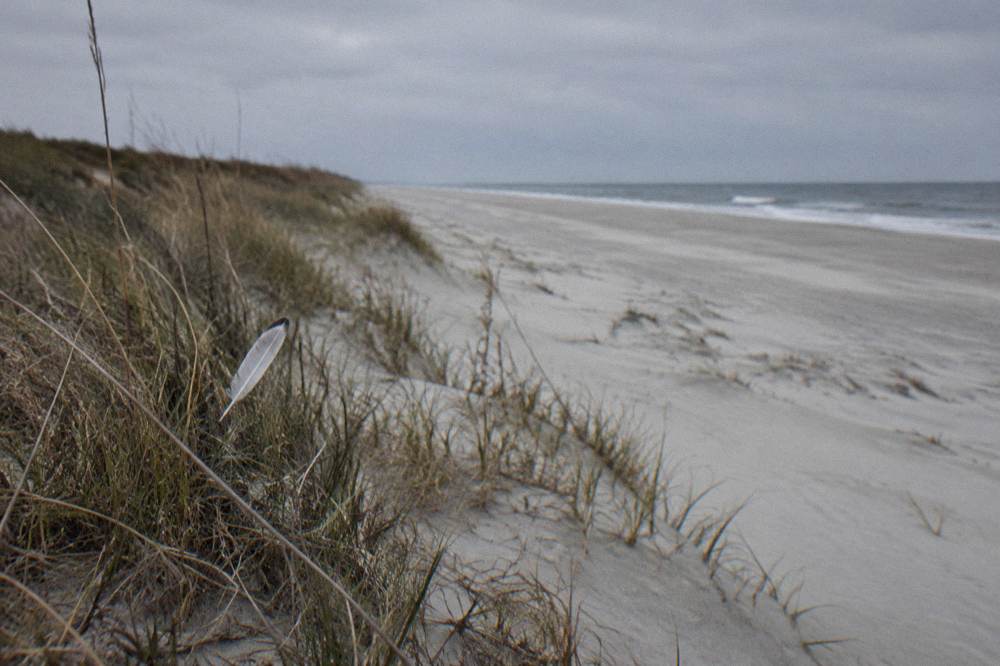
Winter also suits a different kind of traveler: someone combining the horse outing with the lighthouse, the museum or a quiet rental week. The village-side attractions, covered in the guide to the lighthouse and Whalehead with a horse tour, keep off-season hours that pair well with a weekday SUV tour.
Which Tour Vehicles Run In Which Months?
The open-air safari trucks run roughly April through November across the Corolla operators, and the enclosed SUV season runs January through March for the one operator that offers it. The featured 2-hour 4WD truck tour runs the open-air format year-round on its live calendar, from $65 per person, so check the booking page for winter dates rather than the season chart.
The vehicle calendar matters more here than at most destinations because the format changes the experience. An open-air truck in July is wind, salt spray and sun. The same truck in a cool October wind is brisk but glorious. An enclosed SUV in February is warm and dry but puts glass between you and the horses. Neither is wrong; they are different products that happen to share a beach.
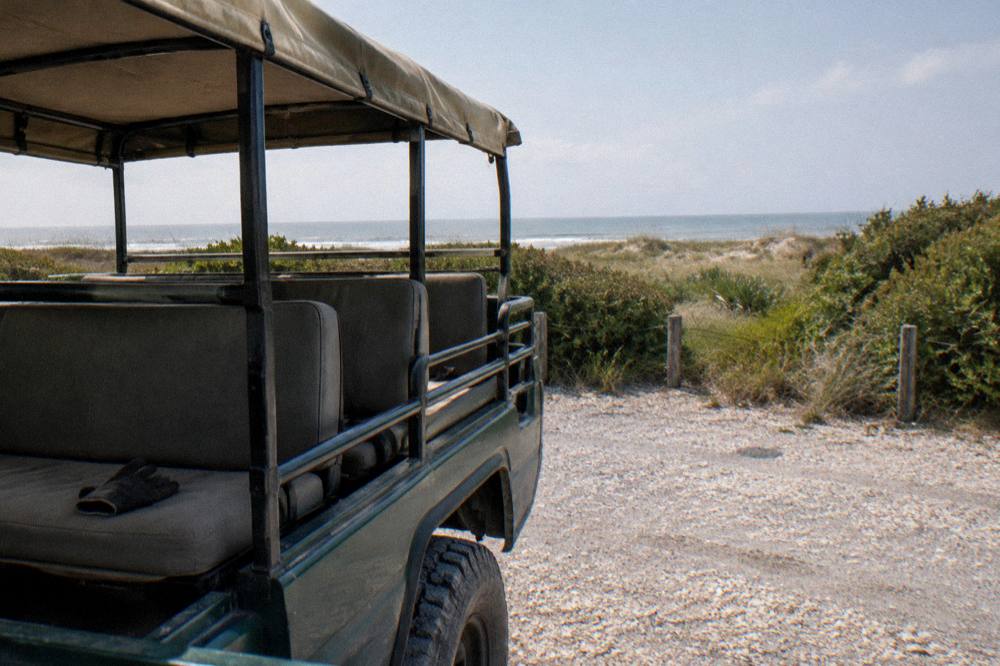
The featured tour keeps one format all year: an open-air 4-wheel drive truck, no ATVs, carrying a maximum of 12 travelers with a professional guide, meeting at 1148 Ocean Trail in Corolla. It excludes food, drinks and hotel pickup, and the listing notes it is not wheelchair accessible and requires moderate physical fitness, with no children under five or under 40 pounds. Rated 4.8 across 2,871 reviews, it is a bookable online horse tour experience in the area, and the booking page shows the live price and calendar.
The direct operators layer on top of that. One runs a 15-passenger open-air safari truck April through November and an enclosed SUV January through March, on a day-of-week price ladder its own page lists from $55 to $65 for adults. Another lists a two-hour beach safari for 2026 at $55 for adults with kids at $45, plus private tours up to 12 people at $540. A third runs a 10-passenger open-air 4WD vehicle seasonally from late April. Those figures are snapshots from the operators' own pages; expect them to move season to season, and always confirm on the live listing or the operator's site before budgeting.
| Vehicle format | Typical season | Capacity | Who runs it |
|---|---|---|---|
| Open-air 4WD truck, 2 hours | Main season, check live calendar | Max 12 travelers | The featured Corolla horse tour, from $65 |
| Open-air safari truck | April to November | Up to 15 passengers | Direct operator, day-based pricing |
| Enclosed SUV | January to March | Up to 6 passengers | Direct operator, winter format |
| Small open-air 4WD | Seasonal from late April | Capped at 10 | Direct operator, smaller groups |
A note on lengths: every operator in the area describes a roughly two-hour outing, with one page citing 25 miles of off-road cruising per trip. Two hours is enough to cover the accessible range and still feel like a trip rather than an expedition, which is why the format has settled there.
A Month By Month Planning Table
April, May, September and October are the highest-value months for most visitors, balancing visibility, weather and bookability; June through August are the safest months for schedule availability but the hottest; and the winter months trade sightings for solitude and enclosed vehicles. Use the table below to match your travel month to the realistic experience.
The table reads as planning guidance, not promises. The horses roam a 7,544-acre range and no month guarantees an encounter, only a probability shaped by weather, tides, insects and the herd's own habits.
| Month | Visibility outlook | Comfort | Booking difficulty | Notes |
|---|---|---|---|---|
| January | Lower, sheltered areas | Cold, windy | Easy | Enclosed SUV season for one operator |
| February | Lower | Coldest month | Easy | Quiet village, off-season rates |
| March | Improving late month | Cool | Easy | SUV season's end; trucks return |
| April | High, fly-driven movement | Mild | Moderate | Foals appear; open-air trucks back |
| May | High | Pleasant | Moderate | Peak shoulder season |
| June | High | Warm | Moderate to busy | Foaling season winding down |
| July | High near surf | Hot, humid | Busy, book ahead | Crowds and heat at peak |
| August | High near surf | Hot | Busy | Mustang Mornings season at the farm |
| September | High | Pleasant | Moderate | Insects fade, water still warm |
| October | High early, easing late | Mild | Easy to moderate | Strong value month |
| November | Moderate | Cool | Easy | Open-air season's tail end |
| December | Lower | Cold | Easy | Solitude; village holiday events |
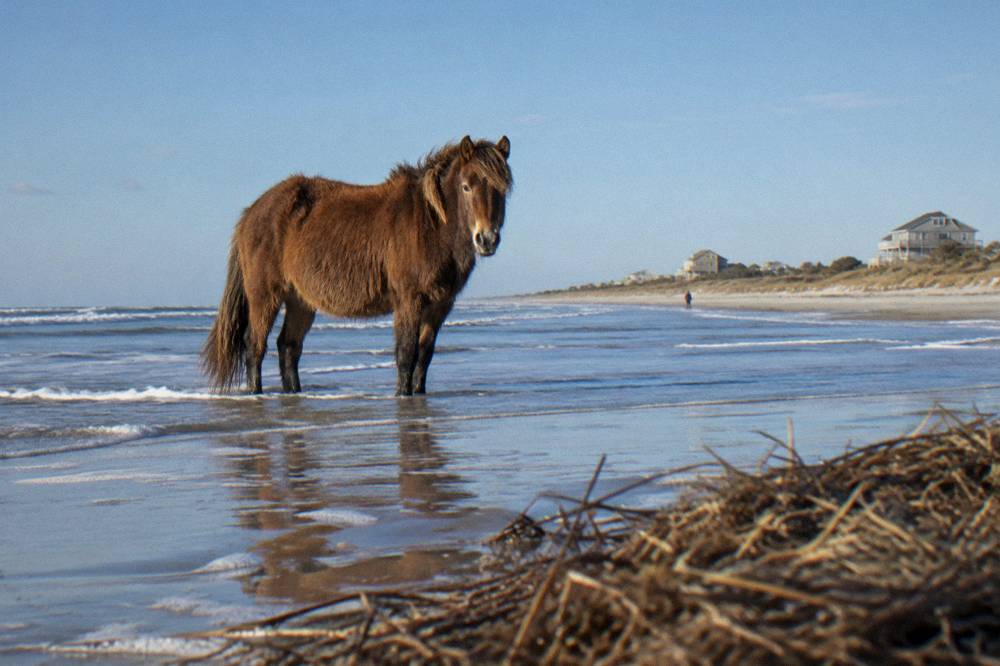
If the table pushes you toward a shoulder month, one more consideration: the difference between a good day and a great day within any month is mostly the time of day, which is its own subject. Pair this calendar with the day-by-day breakdown of Corolla horse sightings before you lock a departure slot.

Pairing Your Month With The Rest Of The Trip
The best month for the horses is also a month decision for everything around them: summer suits a full beach vacation with kayaking and long light, fall suits lighthouse and wildlife outings at lower rates, and winter suits a quiet escape built around one enclosed tour and the village. Match the horse tour to the trip, not the reverse.
A family visiting in July should treat the horse tour as one anchor among several and book it early, since the 12-seat trucks fill fastest on summer weekends. The same family in October can book days out and add the free and low-cost options in the guide to seeing the horses without a paid tour, or the wildlife add-ons in kayaking and other outings near Corolla. Shoulder seasons reward travelers who plan two or three flexible days rather than one fixed slot, because a wind-shifted or stormy day can be swapped. Pairs of kayaking mornings with an afternoon horse tour tend to work best, and the guide to building a full Corolla wildlife day walks through how to split the timing.
Budget behaves seasonally too. The featured tour's from-price of $65 per person holds across its calendar, but the surrounding trip, lodging in particular, moves a great deal between August and October on the Outer Banks. Visitors weighing the whole question of value should read the cost breakdown in how much Corolla wild horse tours cost alongside this calendar.
Whatever the month, the rules of engagement do not change. Currituck County's wild horse ordinance makes feeding the horses or coming within 50 feet of them punishable by law, tour vehicles must keep their distance too, and the refuge land north of town prohibits feeding or approaching any wildlife. A guided tour handles those obligations for you, which is part of what the ticket buys. The full etiquette picture is in the guide to the 50-foot rule and horse etiquette. And if you've ever wondered how close is too close, the answer on whether you can touch the wild horses in the Outer Banks spells out exactly what the law forbids.
Common Questions About Wild Horse Season Timing
What is the best time to see wild horses in Corolla, NC?
Late April through June and September through October. In those windows, insect pressure and moderate heat push the herd onto the open beach while the weather stays comfortable, and the open-air 4WD tour trucks run their full schedules.
Are the horses easier to see in summer or winter?
Summer. Heat stress and biting flies both push the herd out of the maritime forest and toward the surf and breeze, which is exactly where the tour trucks drive. In winter the horses favor sheltered areas behind the dunes and sightings take more searching.
Do Corolla wild horse tours run year-round?
The featured 2-hour open-air 4WD truck tour's live calendar is the source for its dates, and one direct operator runs an enclosed SUV tour from January through March, so some form of guided outing exists in every month.
When is foaling season for the Corolla herd?
Foals arrive through the warmer months. The 2026 season produced at least twelve healthy foals, with the first spotted roaming free by late April and the last arrivals noted before the season closed.
Does the vehicle change with the season?
Yes. Open-air safari trucks run roughly April through November, and the operator that keeps running in winter swaps to an enclosed SUV carrying up to six passengers for the coldest months.
Which month has the smallest crowds?
November through March, outside holidays. You trade crowd-free sand and easy bookings for cooler weather and horses that spend more time in the sheltered areas away from the beach.