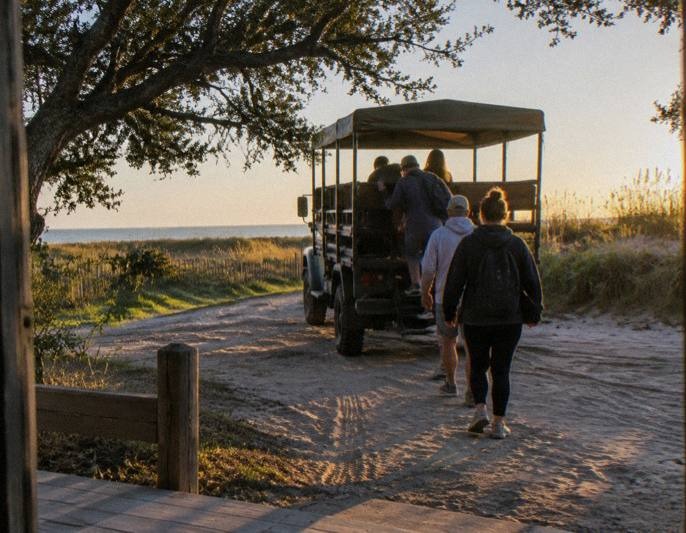
What To Wear And Bring On A Corolla 4x4 Horse Tour
The 2-hour Outer Banks Wild Horse Tour by 4WD Truck runs in an open-air vehicle across sand, sun and wind, and what you wear decides how comfortable those two hours feel. Here is the packing list, built from the listing's own inclusions and exclusions and the conditions on the 4x4 beach.
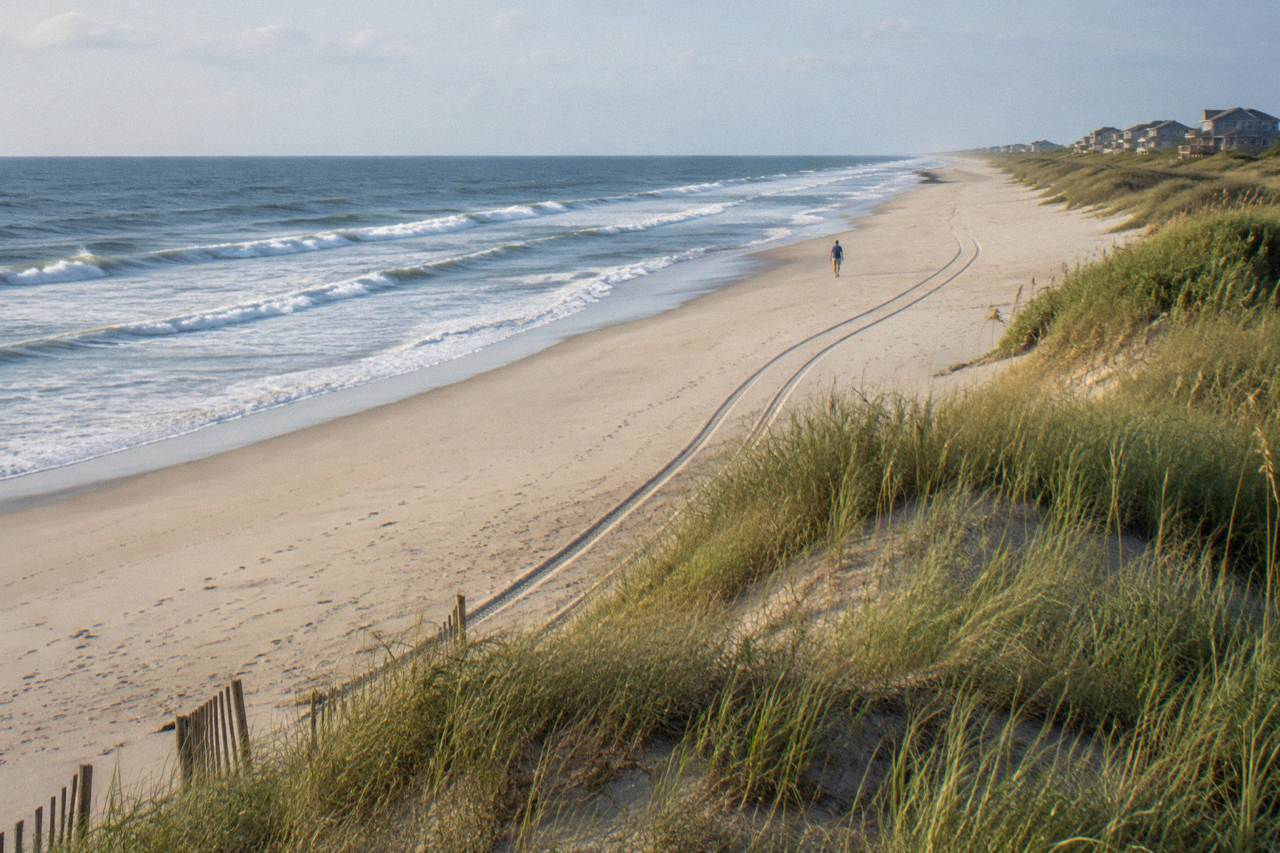
Short answer
Wear layers you can shed, closed shoes, a hat with a strap, and sunglasses; bring sunscreen, bug spray, water, and a camera you can operate one-handed. The listing excludes food and drinks, requires moderate physical fitness, and does not allow children under five or under 40 pounds. Tickets run from $65 per person.
The 2-hour Outer Banks Wild Horse Tour by 4WD Truck is an open-air ride, and that single fact shapes everything on this list. There is no windshield between you and the salt wind, no roof between you and the afternoon sun, and no way to duck back to the car once the truck leaves the meeting point at 1148 Ocean Trail in Corolla. Riders who dress for a beach walk tend to be comfortable; riders who dress for a road trip tend to spend two hours squinting.
The tour itself is straightforward: a guided 4-wheel drive truck, no ATVs, up to 12 travelers, roughly two hours searching the northern beaches for the wild horses. It is rated 4.8 across 2,871 reviews, and from $65 per person. The horses roam where they roam, over 7,544 acres of mixed habitat, so no operator promises a sighting; what you control is whether you are dressed and equipped for the hours on the sand. This guide covers clothing, gear, the listing's own exclusions, sun and insects, the ride's physical demands, kids, and camera work.
What Should You Wear On A Corolla 4x4 Horse Tour?
Dress in layers you can tie or shed, with a wind-resistant outer layer on top, closed-toe shoes, long shorts or trousers, sunglasses, and a hat that will not blow off. The truck is open-air, the beach is windy even on hot days, and temperatures swing between the dune shadows and the open sand. Avoid loose scarves, wide-brimmed unsecured hats, and anything you would mourn if it took flight over the Atlantic.
Wind is the constant people underestimate. The northern beaches sit exposed between the sound and the ocean, and a moving open truck adds its own breeze on top. A light jacket or a tightly woven shirt over a t-shirt is the standard setup in spring and fall; in summer the layer is more about sun coverage than warmth. Light colors reflect heat, and a collared shirt protects the back of the neck, which is the single most commonly burned spot on this kind of tour.
Footwear matters more than it looks. You stay on the truck for the tour, but you board at a shared parking lot, and sand, heat and the truck's steps are all part of the outing. Flip-flops survive the ride but make boarding awkward; sneakers or closed sandals are the practical choice. If you are combining the tour with time on the beach before or after, which many visitors do, closed shoes earn their spot twice.
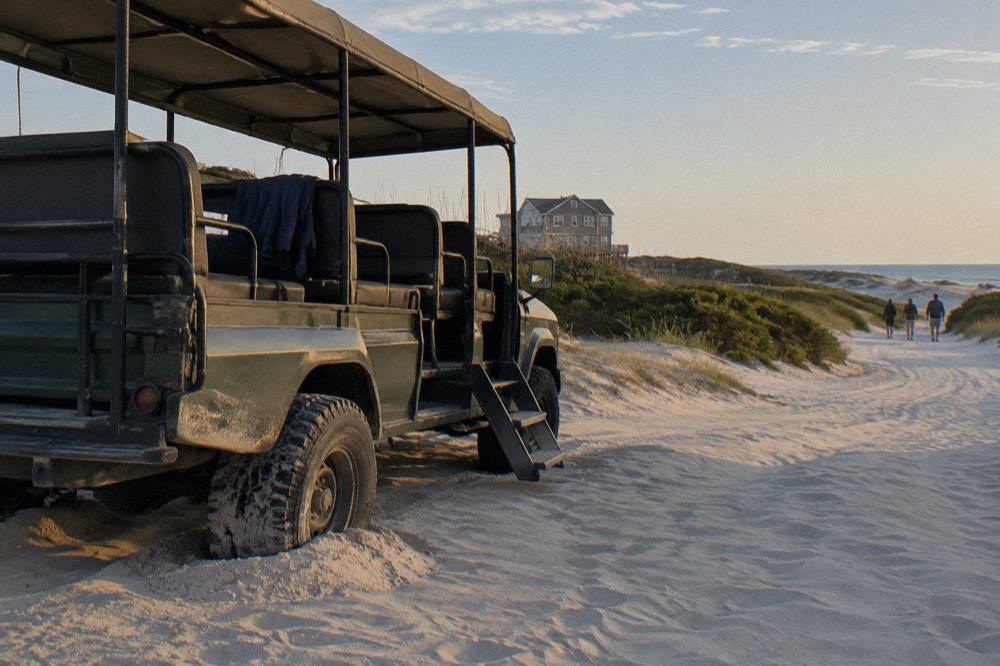
Here is how the layering logic maps to the Outer Banks seasons:
| Season | Base layer | Add | Why |
|---|---|---|---|
| Spring (April to May) | T-shirt or long-sleeve sun shirt | Light jacket, long trousers | Air and water are still cool; wind cuts hard on the open truck |
| Summer (June to August) | Light-colored, breathable shirt | Loose overshirt for sun, brimmed hat | Heat and insects peak; coverage beats sunscreen alone |
| Fall (September to November) | Long sleeves | Fleece or windbreaker | Warm afternoons, cool onshore wind, earlier sunset |
| Winter-style visits | Warm layers, hat, gloves | Windproof shell | Some operators run enclosed SUV tours in the colder months |
The question of what time of day to ride changes the clothing math as well; the guide to the best time of day for Corolla horse sightings covers how light, heat and horse movement interact across a summer day.
What Should You Bring On The Truck?
Bring sunscreen, lip balm with SPF, bug spray, a full water bottle per person, sunglasses, a secure hat, a phone or camera, a small dry bag for essentials, and any personal medication you might need in two hours. The listing excludes food and drinks, so nothing is sold or provided on board, and there is no stop at a shop once the tour rolls onto the sand.
Water is the item riders most often wish they had. Two hours in moving open air dehydrates people faster than they expect, especially in summer, and the tour does not include drinks of any kind. A bottle per person, pre-chilled, fits the daypack most riders bring. Snacks are worth packing for kids, with the caveat that loose wrappers on a windy truck are a problem; sealable bags work better than crinkly packaging.
The dry bag or zippered daypack is the quietly important item. The truck ride includes sand, spray near the shoreline, and wind, and loose papers, hats and phones have a way of migrating. The listing describes transport by open-air 4-wheel drive truck; open-air means your belongings live in the same wind you do.
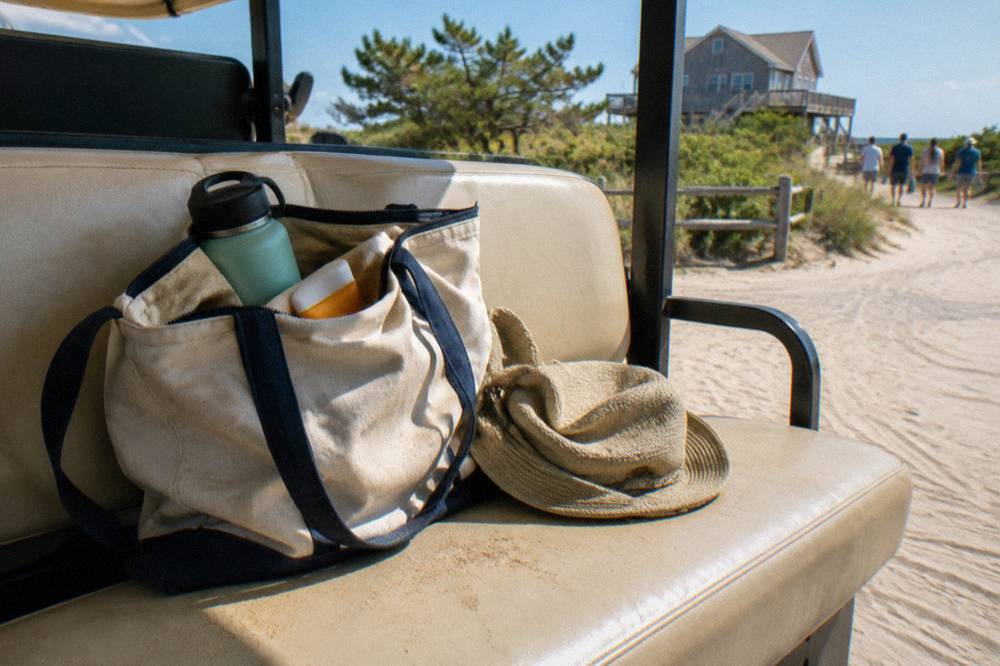
A packing list, sorted by what it protects you from:
| Category | Items | Notes |
|---|---|---|
| Sun | SPF sunscreen, SPF lip balm, sunglasses, brimmed hat | Reapply before boarding; the ride is long enough to burn |
| Wind and sand | Sunglasses with strap, bandana, zippered layers | Open truck at speed throws steady sand near the dune line |
| Insects | Bug spray for skin and clothing | Biting flies are a summer constant on the northern beaches |
| Hydration | One water bottle per person | Listing excludes drinks; nothing is sold on board |
| Gear | Phone or camera, spare battery, small dry bag | One-handed operation beats a two-handed rig on a moving truck |
| Personal | Medication, motion-sickness remedy if prone | No stops once the tour is under way |
If the shopping list feels long, it is not: every item on it is a drugstore item, and the whole kit fits in one bag. Readers deciding between booking this tour and finding horses on their own can compare the two approaches in the guide to seeing the Corolla wild horses without a tour.
What Does The Tour Listing Exclude?
The listing for the 2-hour Outer Banks Wild Horse Tour by 4WD Truck excludes food and drinks, and hotel pickup and drop-off; you meet the truck at 1148 Ocean Trail in Corolla. It is not wheelchair accessible, is not recommended for travelers with back problems, asks for moderate physical fitness, and cannot accommodate children under five years old or under 40 pounds.
Reading the exclusions before booking prevents the two most common day-of surprises. First, there is no hotel transport: the meeting point shares a parking lot with the Beer Garden in Corolla, and riders drive themselves there. Build in time to park, because summer crowds in Corolla village are real. Second, there is no food or drink service, which loops back to the water bottle in the packing list above.
The physical requirements deserve honesty. The ride is over sand, which means sustained sway and occasional bumps as the truck handles soft spots and washboard sections; a fuller treatment of the ride quality is in the guide to whether the Corolla horse tour is bumpy. Travelers with back problems are advised against it on the listing itself, and boarding requires a step up into an open truck bed with bench seating. Moderate fitness, in this context, means comfortable with a short climb and a steady two-hour sit on uneven terrain.
| Listing detail | What it says | What it means for packing |
|---|---|---|
| Included | Professional horse guide, open-air 4WD truck transport | Guide provides narration; vehicle provides the ride |
| Excluded | Food and drinks | Bring your own water; no on-board sales |
| Excluded | Hotel pickup and drop-off | Drive to 1148 Ocean Trail; allow parking time |
| Accessibility | Not wheelchair accessible; step-up boarding | Closed shoes help; ask the operator about specific needs |
| Fitness | Moderate physical fitness level | Steady sitting, some sway, warm conditions |
| Age and size | No children under five or under 40 pounds | Plan a sitter or a different outing for toddlers |
One reassurance worth having before checkout: the operator's listing carries its own cancellation terms, and the booking page shows them alongside the live price, so you can read the window before you commit rather than after.
How Do You Handle Sun And Insects On The 4x4 Beach?
Apply sunscreen before boarding and again at any stop, wear UV sunglasses, and use bug spray on skin and clothing; biting flies and salt-air glare are the two conditions riders report most on the northern beaches in warm months. The refuge land the horses roam has no developed facilities, so there is nowhere to buy protection once the tour is under way.
The sun math is simple and unforgiving: two hours of open-air riding, often mid-morning or afternoon, with light reflecting off sand and water from both sides of the barrier island. That reflection is why riders burn on the underside of their chins and behind sunglasses lines. A brimmed hat with a chin strap, sunscreen applied before boarding, and a shirt with actual weave coverage do more work than any single product.
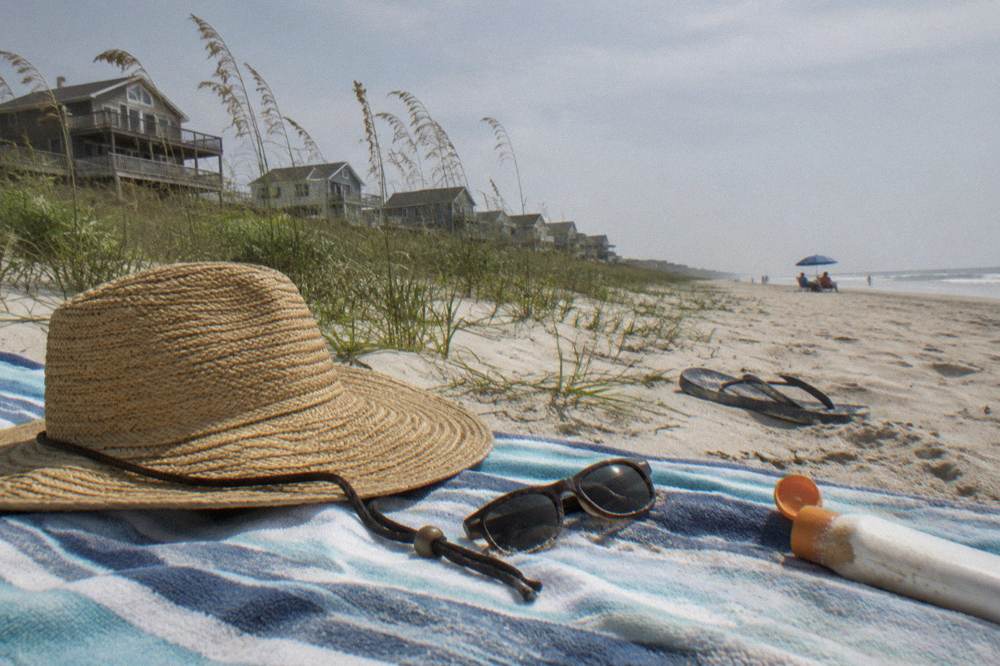
Insects are the seasonal wildcard. The same warm months that bring the foals and the crowds bring biting flies, and the herd's own behavior shows it: in April, biting flies and shifting winds pushed horses out of secluded areas and onto the open beach, where people could see them more easily. Heat stress did the same later in the season, forcing horses out of cover. Your bug spray and their insect pressure share a cause, which is worth remembering when a guide explains why the horses are standing in the surf breeze rather than in the shade of the maritime forest.
Practical protection choices:
| Condition | Best defense | Second line |
|---|---|---|
| Direct sun | SPF sunscreen reapplied, hat with brim | Light long sleeves |
| Reflected glare | Wrap-style UV sunglasses | Brimmed hat angle |
| Biting flies | repellent on skin and clothing | Light colors; avoid scented products |
| Salt wind | Sunglasses with strap, balm | Bandana over the mouth on windy days |
| Heat | Pre-hydration, water on board | Loose, breathable weave |
The USFWS page for Currituck National Wildlife Refuge notes the area has no developed public facilities, no restrooms and no visitor contact station, which is the honest framing for the whole 4x4 beach: what you carry is what you have. The refuge's own guidance is direct that the horses must only be viewed from a distance.
Is The Ride Rough, And What Should You Wear For It?
Wear clothes that can take sand and sweat, secure everything loose, and choose footwear with grip, because the tour crosses soft sand, washboard stretches and occasional wet sections at a steady pace. The listing asks for moderate physical fitness and warns travelers with back problems, and the county requires tour trucks to stay at least 50 feet from the horses, so the vehicle does not climb dunes or chase sightings.
The character of the ride comes from the surface. The beach north of the paved end of NC-12 is a public road of sand, the only access for the hamlets of Carova, North Swan Beach and Swan Beach, and tour trucks share it with residents' 4x4s. County rules govern the trucks closely: tour operation west of the dune line is prohibited before 8 a.m. and after 8 p.m., amplified sound is banned on that stretch at all times, and vehicles must display a valid North Carolina tag plus County-issued identification, as stated on the County's horse tours page. For riders, that means a licensed, paced, guided drive rather than an off-road thrill run.
Clothing that tolerates sand is the whole trick. Sand finds every pocket and cuff, so valuables belong zipped away, and light colors hide salt stains better than dark ones show them. A bandana over the mouth helps on the windiest stretches, and sunglasses earn their strap the first time the truck turns into the breeze. The full index of guides sits on Corolla North Carolina Horse Tours.
What rough-ride preparation looks like in practice:
| Concern | Preparation |
|---|---|
| Lower-back strain | Sit tall, brace lightly, follow the listing's advice if you have back problems |
| Flying objects | Strap hats and glasses; zip phones and keys |
| Sand in everything | Zippered daypack, sealable bags, no loose papers |
| Motion discomfort | Remedy before boarding if prone; horizon focus; light snack beforehand |
| Footing on the step-up | Closed shoes with grip; hands free for the rail |
What Should Kids Wear And Bring On The Truck?
Children need the same sun, wind and bug protection as adults, in sizes that stay put: a strapped hat, sunglasses, applied-and-reapplied sunscreen, bug spray, and their own water bottle, plus a quiet snack in a sealable bag. The listing cannot accommodate children under five years old or under 40 pounds, so the tour suits school-age kids and up.
Kids tend to love the open truck and forget to drink, so the water bottle rule doubles for them. A small binocular-style toy or a simple camera gives a school-age child a job on the ride, which helps with the two-hour sit. The Fund, which manages the herd, stresses that foals are extremely impressionable and must not become accustomed to humans, and the same principle runs the other way: the tour keeps its distance, the guide explains the rules, and kids learn that the beach is the horses' home. The Corolla Wild Horse Fund's FAQ states plainly that county law bars anyone, regardless of experience, from coming within 50 feet of the horses, a rule worth rehearsing with children before the ride.
Layers matter more for kids than adults because their tolerance band is narrower: a windbreaker they can stuff in the family daybag covers the morning-to-noon swing. Closed shoes, not sandals, for the boarding step. And because the listing excludes drinks, a child's thirst is the parent's packing problem, solved by one bottle per rider, refilled at the car.
For families weighing this tour against other ways to spend a Corolla morning, the guide to Corolla horse tours with kids works through age limits, attention spans and the sibling-friendly details in one place.
What Camera Gear Works From An Open-Air Truck?
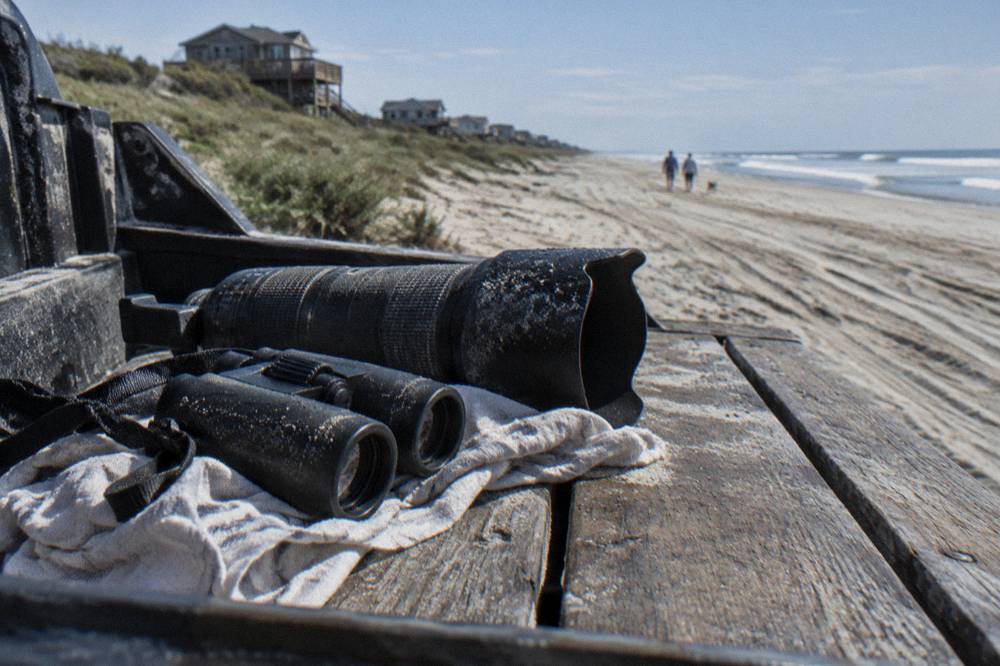
A phone or a compact camera with image stabilization beats a big rig on a moving, sandy truck; bring a strap, a lens cloth, and a spare battery, and shoot in burst mode when the horses appear. Wind, spray and vibration make long lenses frustrating, and the 50-foot viewing distance means moderate zoom is plenty.
The physics are against the long lens. The truck moves, the horses move, and the distance kept by law means most frames are environmental shots: horses on a wide beach, which is honestly the better picture anyway. A phone handles that composition well, and burst mode catches the moment ears flick or a foal steps clear of its mother. A polarizing filter, if you carry one, cuts the glare off sand and water enough to matter.
Protection for the gear is simple: a strap around the neck or wrist, a cloth for spray and fingerprints, and a zippered pocket between sightings. Sand and camera sensors do not mix, so changing lenses on the truck is a bad plan; pick one before boarding and commit. The Fund's museum and gift shop in Corolla village, open seasonally Tuesday through Saturday, sells books and prints for anyone whose photos come home sandy anyway, and its address and hours are on the Fund's FAQ page.

What Should You Leave Behind?
Leave behind drones, umbrellas and parasols, loose scarves, glass bottles, fireworks, pets, and anything you would chase down the beach to retrieve; the county bans amplified sound on the tour stretch, the refuge bans pets off-leash and feeding wildlife, and wind takes the rest. A lighter bag makes a better ride.
Some of this is etiquette, some of it is law. The refuge's rules prohibit baiting or feeding wildlife, including the horses, and pets must stay leashed on refuge land, per the refuge's visitor page. The county's ordinance makes feeding the wild horses or coming within 50 feet of them punishable by law, and the same rules bar enticing a horse toward you. None of that is a packing item, but the drone and the fireworks sometimes appear in beach bags anyway, and both are a bad idea on a tour vehicle.
The wind argument handles the rest. Anything not attached, weighted or zipped is a candidate for loss, and the moment of loss is always the moment the horses appear. Riders who travel light enough to stand, turn and shoot with one hand free are the ones who enjoy the two hours.
Common Questions About Packing For A Corolla Horse Tour
What shoes should I wear on a Corolla 4x4 horse tour?
Sneakers or closed sandals with grip. You stay on the truck during the tour, but boarding involves a step up into an open bed, the parking lot is sandy, and many riders add beach time before or after. Flip-flops work only if nothing else is available.
Does the tour provide water or food?
No. The listing excludes food and drinks, and nothing is sold on board or on the 4x4 beach, which has no developed facilities. Bring one water bottle per person, pre-chilled, plus a sealable snack if you are riding with children.
Will my hat blow off on the open-air truck?
Probably, if it has no strap. The truck is open-air and the northern beaches are windy even on calm days. A baseball cap worn snug, a hat with a chin cord, or a hat you stuff in a zipped pocket between sightings all work.
Can I bring a toddler on the Corolla wild horse tour?
No. The listing states it cannot accommodate children under five years of age or under 40 pounds. The tour suits school-age children and up, and the two-hour ride rewards kids old enough to enjoy the guide's commentary.
Do I need bug spray even if we only stay on the truck?
Yes in warm months. Biting flies are a summer constant on the northern beaches, strong enough that they influence where the horses themselves stand. Apply repellent to skin and clothing before boarding.
Is a phone camera good enough, or should I bring a real camera?
A phone is genuinely good enough. The 50-foot viewing distance suits environmental shots, burst mode beats a long lens on a moving truck, and a phone fits in a zippered pocket between sightings. If you bring a camera, bring a strap and a lens cloth.